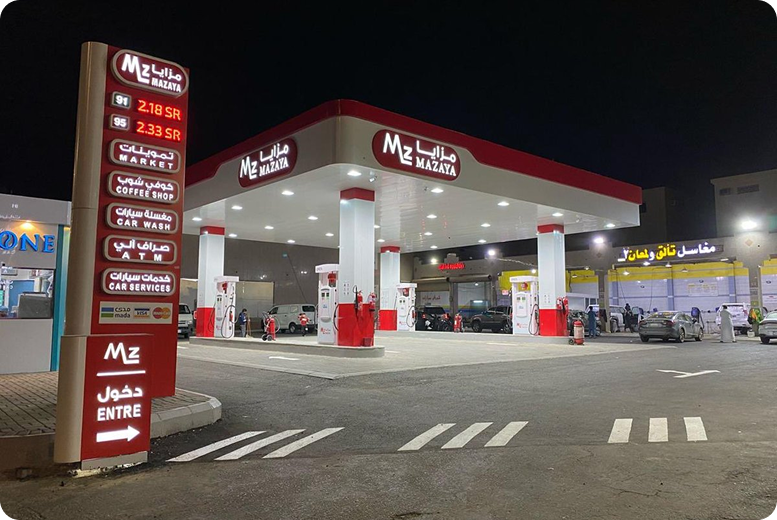
نقدم في مزايا للوقود حلولًا متكاملة لإدارة وتشغيل محطات الوقود وفق أعلى المعايير المعتمدة في المملكة العربية السعودية، بما يضمن كفاءة التشغيل، استدامة الخدمة، وتعظيم العائد الاستثماري
Quality and Compliance Management
Quality and compliance management has become a cornerstone of success for any organization seeking sustainable growth, risk reduction, and enhanced market reputation. Simply put, it's the framework that ensures your internal processes, products, and services adhere to clear standards and comply with local and international laws and regulations, with mechanisms in place for continuous monitoring and improvement.
In crowded markets, it's difficult to stand out on price alone. Having an effective quality system gives your organization an added layer of credibility. Clients and partners prefer to deal with an entity that has clear procedures, continuous monitoring, and the ability to meet its commitments. Therefore, many large contracts require accredited quality and compliance systems.
Many people equate quality with higher costs, but the reality is quite different. When processes are clear and well-defined, errors decrease, time and resource waste is reduced, and employee productivity improves. This translates to lower costs for better results. Furthermore, increased customer satisfaction leads to higher retention rates, reducing the need for larger marketing expenditures to acquire new customers.
Quality management is a set of policies and procedures that ensure the delivery of products or services that consistently meet customer expectations, while working to continuously improve performance and reduce errors and waste.
Quality Is Not Just Paper… It’s a Way of Working
A common misconception is that quality systems are merely files and policies. In reality, their primary goal is to organize how work is done daily. When every employee knows what to do, when, how, and who is responsible next in line, randomness disappears, and performance becomes a cohesive system with predictable outcomes.
True quality isn't found in documents; it's demonstrated in how tasks are performed every day. It's in a call answered promptly, an order completed correctly the first time, and service delivered to the customer without delay or confusion. When procedures become daily habits, quality becomes a natural part of the business, not an added burden.
When quality is merely documentation, it remains on the shelves. But when it's a way of working, it means clear roles, well-defined responsibilities, and easy access to procedures. This protects the organization from confusion and gives it greater control over its outcomes.
Having written policies is important, but it's not enough. True value is realized when employees understand these policies and apply them automatically. This is when the organization moves from documentation to mastery, and performance becomes consistent regardless of personnel or changing circumstances.
The Impact of Quality on Brand Reputation
Reputation isn't built on advertising campaigns alone, but on the customer experience each time they interact with the organization. When service is consistent, accurate, and on time, customers begin to associate the brand name with trust and reliability, and this is more powerful than any marketing message.
The market speaks for itself. When you meet deadlines, provide consistent service, and handle mistakes professionally, a positive reputation spreads. Over time, quality becomes one of your most valuable intangible assets.
Strong brands are known for their consistent performance. A customer might forgive a single mistake, but they won't forgive repeated mistakes. An effective quality system means consistent results, and that's what creates a lasting impression on customers and partners.
When an organization adheres to standards and demonstrates its capacity for review and improvement, it sends a clear message to the market: we are a reliable partner. This message enhances brand value and increases opportunities for partnerships and contracts.